Disclaimer: This post is for educational and informational purposes only and does not provide financial advice or investment guidance.
Introduction
Digital client portals have become a common element of professional online environments. They are used across many industries to organize information, present structured workflows, and support secure communication between organizations and users. This post provides an educational overview of how modern digital portals are structured, how users typically navigate them, and what core interface elements they include. Well-known platforms such as taxdome are referenced strictly as examples of interface design and organizational logic, without promoting usage or registration.
The goal of this article is to help readers understand how these systems work from a conceptual and structural perspective.
What Is a Digital Client Portal
A digital client portal is an online interface designed to centralize information and interactions in a single, organized environment. Unlike public websites, portals are usually structured around personalized views, dashboards, and categorized sections. From an educational standpoint, the key value of such portals lies in how they present complex information in a clear and navigable format.
Most portals share a similar foundation regardless of the industry they serve. They rely on consistent layouts, predictable navigation patterns, and visual hierarchy to guide users through content without confusion.
Common Interface Elements and Layout
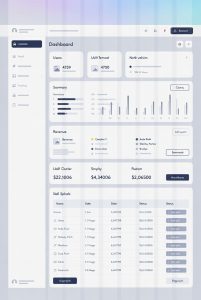
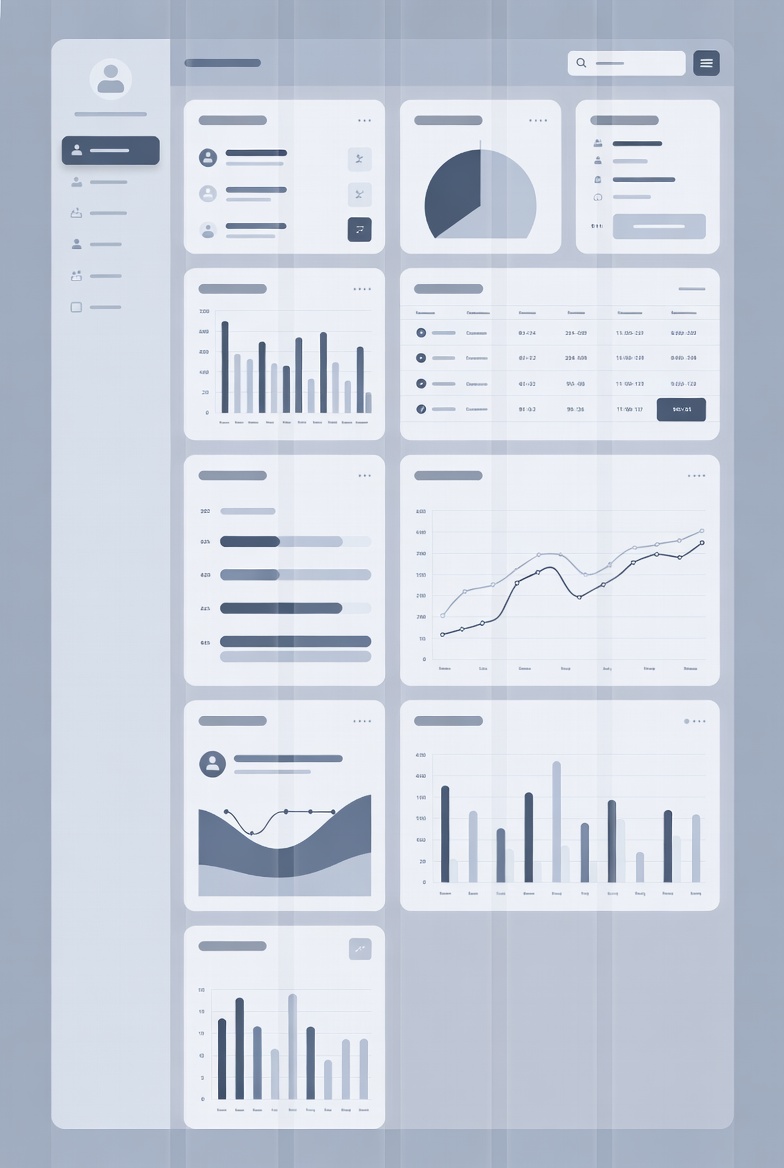
Modern portals typically follow a dashboard-based layout. The dashboard acts as an overview screen that summarizes relevant information using visual blocks or panels. These may include status indicators, timelines, or grouped data sections.
Side navigation menus are another standard feature. They allow users to move between sections such as documents, tasks, messages, or profile-related areas. Platforms like taxdome illustrate how vertical navigation supports clarity by separating primary sections from secondary content.
Content areas usually rely on cards, tables, or lists. These elements are designed to be scannable, helping users quickly identify what is relevant without reading extensive text.
Registration and Initial Access: Conceptual Overview
From an educational perspective, the registration process in digital portals follows a predictable logic. Users are typically guided through identity confirmation, basic information entry, and initial setup steps. The purpose of this process is to establish a personalized environment rather than to perform transactions or manage assets.
It is important to understand that this article does not provide instructions for completing registration on any specific platform. Instead, it explains the general structure of how onboarding flows are designed to introduce users to the portal’s layout and features.
Navigation Logic and User Flow
Navigation within a portal is built around reducing cognitive load. Clear labels, consistent icons, and logical grouping of sections help users understand where they are and how to move forward.
Educational analysis of portals shows that effective systems minimize unnecessary steps. For example, frequently accessed sections are placed prominently, while less critical areas are nested deeper in the interface. This design logic can be observed across many platforms, including informational demonstrations of taxdome-like environments.
Breadcrumbs, tabs, and progress indicators are often used to reinforce orientation within the system.
Comparing Digital Portals Across Platforms
While each digital portal is developed for a specific context, their structural similarities are notable. Whether the platform is used for document exchange, project coordination, or information review, the same interface principles apply.
Comparative analysis helps illustrate how standardized design patterns improve usability. Differences usually appear in visual styling or terminology rather than in core structure. This makes it easier for users to adapt when encountering a new portal for the first time.
Such comparisons are valuable for educational purposes, as they highlight best practices rather than promoting any individual solution.
Educational Takeaways on Portal Design
Understanding how digital client portals are structured can improve digital literacy and user confidence. By recognizing common layouts, navigation patterns, and interface elements, users can approach unfamiliar platforms with greater clarity.
From an instructional standpoint, the focus should remain on design logic, not on operational use. Observing examples like taxdome within this context helps demonstrate how abstract principles are applied in real-world interfaces.
Conclusion
Digital client portals are built around consistency, structure, and clarity. Their dashboards, navigation systems, and content layouts follow established patterns designed to simplify complex information environments. This article has provided an educational overview of these patterns, using well-known platforms solely as illustrative examples.
A structural understanding of digital portals supports better comprehension of modern online workspaces without encouraging specific actions or usage.
Disclaimer: This post is for educational and informational purposes only and does not provide financial advice or investment guidance.