Disclaimer: This post is for educational and informational purposes only and does not provide financial advice or investment guidance.
Introduction
Navigation is one of the most critical aspects of any professional digital portal. Even when information is accurate and well-organized, ineffective navigation can make a system difficult to understand. This educational article examines how user navigation is designed inside modern digital portals, focusing on layout logic, menu structures, and orientation tools. Platforms such as taxdome are mentioned solely as reference points for interface patterns and structural examples, without promoting their use.
The purpose of this post is to explain how navigation frameworks help users move through complex digital environments efficiently and predictably.
The Role of Navigation in Digital Portals
Navigation acts as the structural backbone of a portal. It defines how users move between sections, how content is grouped, and how information hierarchy is communicated visually. In professional portals, navigation must balance depth and simplicity, allowing access to detailed sections without overwhelming the interface.
Educational analysis shows that effective navigation reduces confusion by limiting choices at each step. Instead of presenting all options at once, portals typically reveal content progressively through menus, tabs, and expandable sections.
Primary Navigation Areas Explained
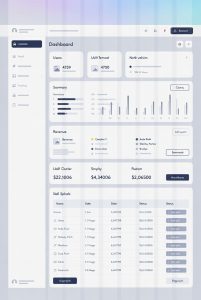
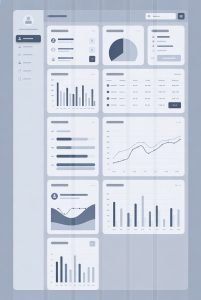
Most digital portals rely on a primary navigation area, commonly displayed as a vertical sidebar or horizontal top menu. This area contains links to the most important sections of the interface.
In many platforms, including taxdome-style environments, the primary menu remains visible at all times. This consistency helps users maintain orientation and return to key sections without retracing multiple steps. Icons are often paired with text labels to support quick recognition.
The positioning of these menus is not accidental. Research-driven design practices place frequently accessed sections closer to the top or left side of the screen, aligning with common reading patterns.
Secondary Navigation and Contextual Menus
Beyond the main menu, portals often use secondary navigation elements to manage complexity. These may include tabs within a section, dropdown menus, or contextual panels that appear based on user selection.
From an educational perspective, secondary navigation exists to refine focus. For example, once a user enters a document-related section, additional filters or views may appear to organize content by category or status. This layered approach keeps the interface clean while still supporting detailed exploration.
Such patterns are consistent across many digital systems and help illustrate how scalable interfaces are constructed.
Orientation Tools and Visual Cues
Orientation tools play a key role in helping users understand where they are within a portal. Common examples include breadcrumbs, highlighted menu items, and page headers that reflect the current section.
Color contrast and spacing also function as navigation aids. Active elements are typically emphasized visually, while inactive options are muted. Platforms similar to taxdome demonstrate how subtle visual cues can guide users without relying on instructions or prompts.
These design choices support intuitive navigation and reduce reliance on written guidance.
Navigation During Initial Portal Use
When users first encounter a digital portal, navigation design becomes especially important. Educational studies of onboarding interfaces show that early exposure to clear menus and logical section names improves long-term usability.
Rather than requiring users to learn complex structures immediately, well-designed portals introduce navigation gradually. Initial screens often highlight only essential sections, allowing users to become familiar with the environment step by step.
This approach emphasizes clarity and comprehension over speed or efficiency.
Comparing Navigation Patterns Across Portals
Although digital portals may serve different professional contexts, their navigation patterns are often remarkably similar. Sidebars, tabbed content areas, and dashboard links appear across a wide range of platforms.
Comparing these systems from an educational standpoint reveals that usability standards have become widely adopted. Differences usually reflect branding or terminology rather than fundamental structure. This consistency helps users transfer knowledge from one portal to another.
Referencing taxdome in this context helps illustrate how these shared patterns appear in real-world interfaces without suggesting preference or endorsement.
Conclusion
User navigation within professional digital portals is guided by clarity, consistency, and visual structure. Primary menus, secondary navigation elements, and orientation tools work together to support user understanding and reduce cognitive effort.
By studying navigation frameworks across different platforms, users can better understand how digital portals are designed and why they function as they do. This knowledge contributes to broader digital literacy and informed interaction with modern online environments.
Disclaimer: This post is for educational and informational purposes only and does not provide financial advice or investment guidance.