Disclaimer: This post is for educational and informational purposes only and does not provide financial advice or investment guidance.
Introduction
The first interaction with a digital portal often shapes how users perceive and understand the entire system. For this reason, onboarding and initial use are carefully designed to introduce structure, navigation, and interface logic in a gradual manner. This article provides an educational overview of how onboarding processes are typically organized within professional digital portals. Well-known platforms such as taxdome are referenced only to illustrate common interface patterns and onboarding concepts, without encouraging use or participation.
The purpose of this post is to explain how first-time portal experiences are structured from a design and usability perspective.
What Onboarding Means in Digital Portals
Onboarding in a digital portal refers to the sequence of screens and informational steps presented to users when they first access the environment. Its primary goal is orientation rather than action. Educational analysis shows that effective onboarding focuses on explaining layout, terminology, and navigation flow.
Rather than overwhelming users with information, portals introduce key elements gradually. This approach helps users understand how content is organized and where different types of information can be found.
In platforms similar to taxdome, onboarding flows often rely on visual cues and minimal text to support clarity.
Typical Stages of the Onboarding Experience
Most digital portals follow a multi-stage onboarding structure. The initial stage usually confirms basic user context and introduces the dashboard layout. Subsequent stages highlight navigation menus, section categories, and interface components.
From an instructional standpoint, these stages are designed to mirror how users naturally explore an interface. Educational walkthroughs may point out where updates appear, how sections are grouped, and what visual indicators represent.
This staged structure reinforces learning by allowing users to absorb information incrementally.
Interface Familiarization and Visual Guidance
Visual guidance plays a central role during onboarding. Tooltips, highlighted sections, and short explanations help users understand interface elements without requiring detailed instructions.
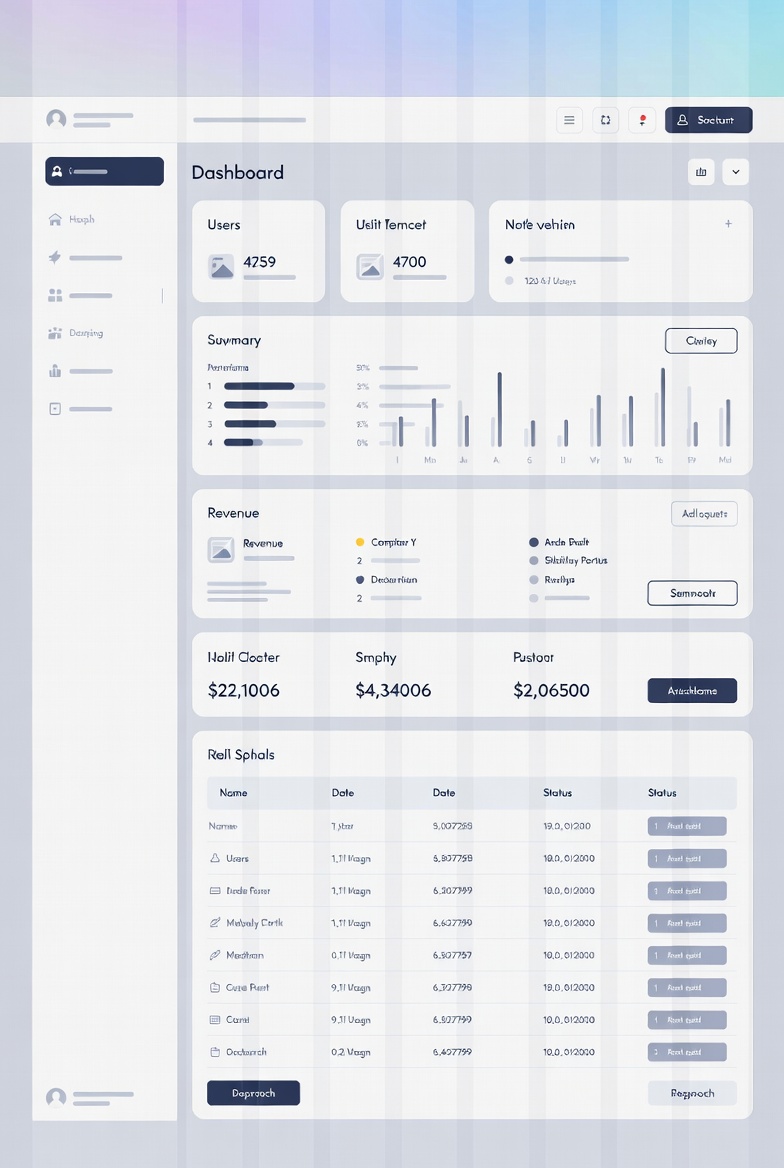
In educational examples drawn from taxdome-style portals, visual emphasis is often placed on dashboards and side navigation. These elements form the backbone of the user experience and are introduced early to establish familiarity.
Such design techniques demonstrate how visual learning can be more effective than text-heavy explanations in digital environments.
Navigation Introduction During First Use
Navigation is usually introduced during onboarding through subtle guidance rather than direct instruction. Active menu items may be highlighted, while inactive sections remain visually subdued.
This method allows users to explore while still maintaining orientation. Educational reviews of digital portals show that users benefit from seeing how navigation responds to their movement within the interface.
Referencing taxdome in this context helps illustrate how consistent navigation behavior supports comprehension across different sections of a portal.
Managing Information Density for New Users
One of the challenges of onboarding is managing information density. Presenting too much detail at once can reduce clarity and retention. Well-designed portals limit visible content during first use, expanding available information over time.
From an educational perspective, this approach demonstrates how interface designers prioritize understanding over completeness. Initial screens focus on structure rather than detail, helping users build a mental map of the portal.
This principle is visible across many digital systems, including informational demonstrations of taxdome-like interfaces.
Educational Comparison with Other Digital Portals
When comparing onboarding processes across digital portals, similarities are more prominent than differences. Most platforms rely on consistent design patterns such as guided highlights, modular dashboards, and step-based introductions.
Comparative analysis helps identify best practices in onboarding design without favoring any specific platform. taxdome can be used as a reference point to show how these practices are implemented in real-world interfaces.
Such comparisons are valuable for understanding interface design standards rather than evaluating platform features.
Learning Outcomes from Studying Onboarding Design
Studying onboarding design improves digital literacy by helping users recognize familiar patterns when encountering new portals. Understanding why certain elements are introduced first, and how information is layered, supports more confident navigation.
From an educational standpoint, onboarding serves as a case study in user-centered design. It demonstrates how complex systems can be introduced in a structured and accessible way.
Observing examples such as taxdome within this analytical framework reinforces learning without promoting engagement.
Conclusion
Onboarding and first-time use are essential components of digital portal design. Through staged introductions, visual guidance, and controlled information density, portals help users understand structure and navigation from the outset.
This article has explored onboarding from an educational perspective, referencing taxdome solely as an illustrative example of common design patterns. Understanding these principles supports broader comprehension of professional digital portal environments.
Disclaimer: This post is for educational and informational purposes only and does not provide financial advice or investment guidance.